Nestlé Expands Brazil Nutrition Business With Major Investment and New Manufacturing Plant
Nestlé is deepening its commitment to Brazil with a major investment program aimed at expanding its nutrition and health business, reinforcing the South American country’s growing importance within the Swiss food giant’s global operations.
The company announced plans to invest CHF310 million ($380 million) in Brazil by 2028, directing funds toward new manufacturing capacity, facility modernization and supply-chain expansion. The initiative is centered on nutrition-related products, including infant formula and specialized health nutrition, sectors that Nestlé considers among its most strategically important worldwide.
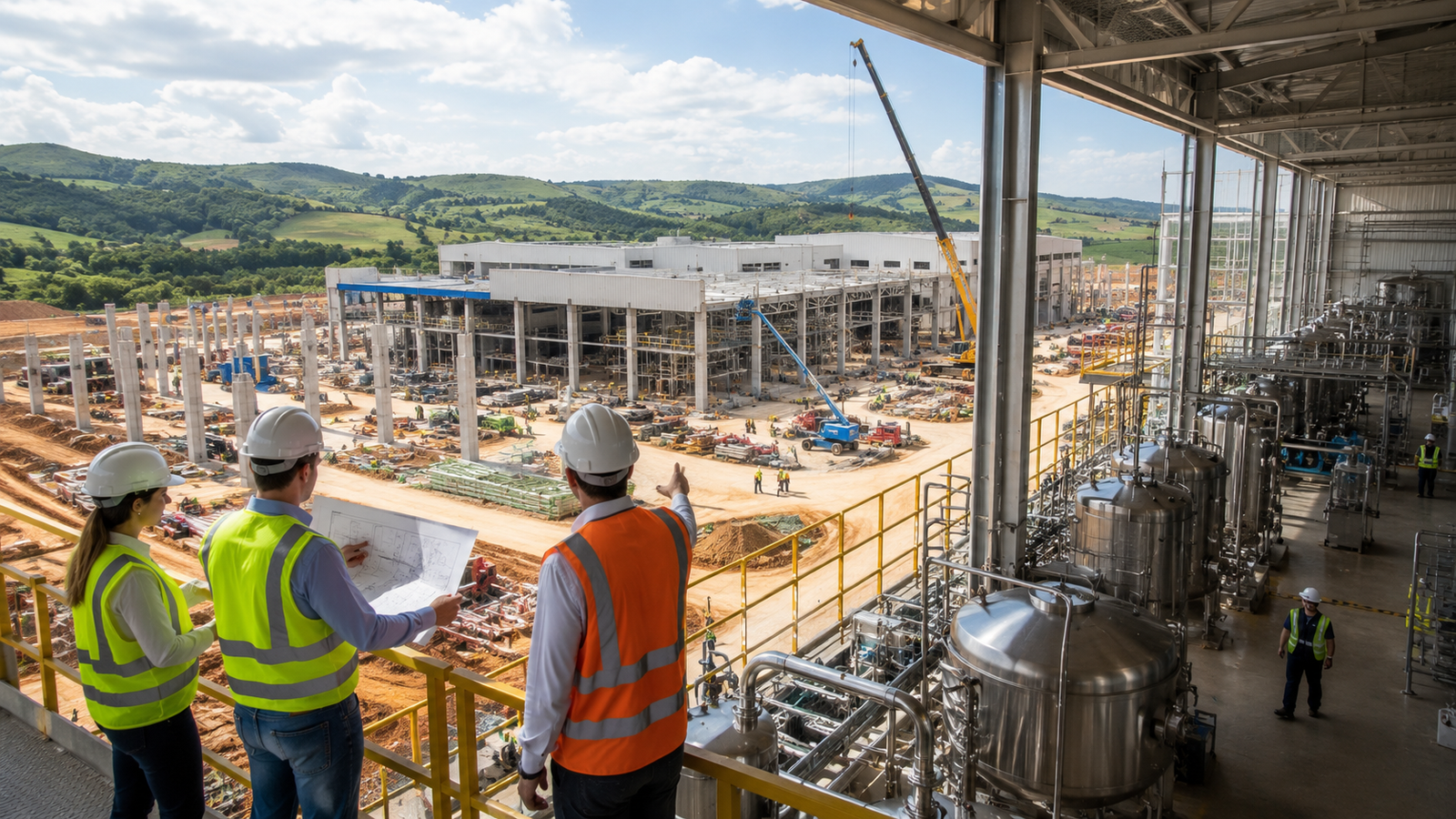
A key component of the investment plan is the construction of a new production facility in Ituiutaba, located in the southeastern state of Minas Gerais. Nestlé said approximately CHF94 million will be allocated to the project, which is expected to begin production during the second quarter of 2028. The plant will manufacture infant nutrition products for both domestic consumers and international export markets while creating roughly 100 new jobs.
The project highlights the company’s confidence in long-term demand for nutrition products in Latin America’s largest economy. Brazil has become one of Nestlé’s most important markets globally, supported by its large population, expanding middle class and increasing demand for specialized food and health products. Company executives have repeatedly described the country as a strategic growth engine within the Americas region.
Beyond the new factory, Nestlé plans significant upgrades at its existing nutrition and health manufacturing complex in Araçatuba, in São Paulo state. The site currently produces a range of products, including infant nutrition, medical nutrition and food products designed for adults with specialized dietary needs. Modernization efforts are expected to improve efficiency, expand production capacity and strengthen the company’s position in high-value nutrition categories.
The investment program also includes strengthening supply chains for critical ingredients used in nutritional products. One of the most significant initiatives involves increasing whey production in Brazil by 15% by 2029. Whey is a key ingredient in infant formula and other nutrition-focused products, and expanding local production could reduce dependence on imports while supporting future manufacturing growth.
For Nestlé, the move reflects broader trends reshaping the global food industry. Major manufacturers are increasingly investing in health-focused categories that offer stronger growth potential than many traditional packaged-food segments. Demand for infant nutrition, medical nutrition and specialized dietary products has expanded in many markets as consumers place greater emphasis on health, wellness and preventative care.
The decision is also significant because it comes during a period of heightened competition among multinational food companies seeking growth in emerging markets. While mature economies in Europe and North America often experience slower population growth and changing consumer habits, countries such as Brazil continue to offer opportunities for expansion through rising incomes and evolving nutritional needs. Nestlé’s latest investment underscores its intention to maintain a leading position in those markets.
Brazil already occupies a prominent role within Nestlé’s global network. The company has operated in the country for more than a century and maintains one of its largest manufacturing footprints there. Existing operations span a wide range of categories, including coffee, dairy products, confectionery, pet food and nutrition. According to company statements, Brazil ranks among Nestlé’s most important markets worldwide and serves as a major contributor to growth across the Americas.
The announcement also aligns with a broader wave of investment previously outlined by Nestlé Brazil. In 2025, the company unveiled a multibillion-real investment program extending through 2028, targeting industrial modernization, sustainability initiatives, production expansion and innovation across multiple business segments. The newly announced nutrition-focused investment builds on that strategy while highlighting the importance of health-related products within Nestlé’s future growth plans.
Industry analysts view nutrition as one of the food sector’s most resilient and potentially lucrative categories. Infant formula and specialized nutrition products often benefit from long-term demographic and healthcare trends, making them less vulnerable to shifts in discretionary consumer spending than some other packaged-food segments. Expanding production capacity in Brazil may therefore strengthen Nestlé’s ability to serve both domestic demand and international markets from a strategically located manufacturing base.
The investment could also generate economic benefits beyond Nestlé’s operations. Construction activity, manufacturing employment and expanded supplier networks are expected to support local economies in Minas Gerais and São Paulo. Increased production of ingredients such as whey may also create opportunities for agricultural and dairy-sector partners connected to Nestlé’s supply chain.
For Brazil, the announcement represents another example of multinational companies directing capital toward the country’s manufacturing and consumer sectors despite ongoing global economic uncertainty. For Nestlé, it reinforces a strategy centered on expanding high-growth nutrition categories while strengthening production capabilities in markets viewed as critical to the company’s long-term future. As construction begins and modernization projects advance, Brazil is poised to play an even larger role in the Swiss group’s global nutrition business over the coming decade.