Stanserhorn, Stans, Switzerland
Stanserhorn Combines Historic Rail Travel and the World’s Unique Open-Top Cableway
Some mountains are famous for their scenery. Others are remembered for the journey that leads to the summit. Stanserhorn, rising above the town of Stans in Central Switzerland, offers both. This mountain excursion blends more than a century of transportation history with modern engineering, creating an experience that stands apart even in a country renowned for spectacular mountain travel.
Located in the heart of the Lake Lucerne region, Stanserhorn attracts visitors with its remarkable combination of panoramic landscapes, accessible hiking trails, wildlife encounters, and a transportation system that links Switzerland’s past and future in a single trip. The mountain’s greatest distinction is its unique ascent route, which combines a historic funicular railway dating to the nineteenth century with the world’s first open-top double-decker aerial cableway.
Where Mountain Heritage Meets Modern Innovation
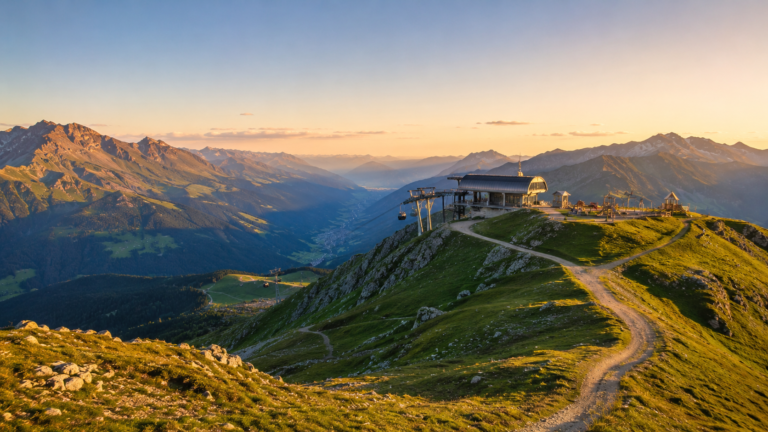
Stanserhorn reaches approximately 1,898 meters above sea level and stands prominently above the canton of Nidwalden. From its summit, visitors enjoy a commanding view across Central Switzerland, with mountain chains, rolling hills, and numerous lakes creating a landscape that changes dramatically with weather and season.
Unlike many Alpine destinations where transportation serves merely as a means to an end, Stanserhorn has built its identity around the travel experience itself. The mountain is widely recognized for connecting two distinct eras of Swiss engineering. Visitors begin with a ride on a historic funicular before transferring to the innovative CabriO aerial cableway for the final ascent.
This combination has helped transform Stanserhorn into one of Central Switzerland’s most distinctive excursion destinations.
A Legacy That Began in the Nineteenth Century
The story of Stanserhorn tourism began during the great era of Alpine railway development. Construction of the Stanserhorn Railway started in the early 1890s, and the mountain railway officially opened in 1893. At the time, it represented a remarkable engineering achievement and was considered highly innovative within Switzerland’s rapidly growing mountain tourism industry.
The railway was developed by mountain tourism pioneers Franz Josef Bucher-Durrer and Josef Durrer-Gasser, individuals who helped shape Swiss tourism during a period when mountain travel was becoming increasingly popular among domestic and international visitors.
Over the decades, the mountain experienced several transformations. Historic infrastructure evolved, new facilities were added, and transportation systems were modernized while preserving important elements of the original experience. Today, visitors can still travel on the historic funicular section, creating a direct connection to more than a century of tourism history.
The Journey Up the Mountain
For many travelers, the ascent is the highlight of a Stanserhorn visit.
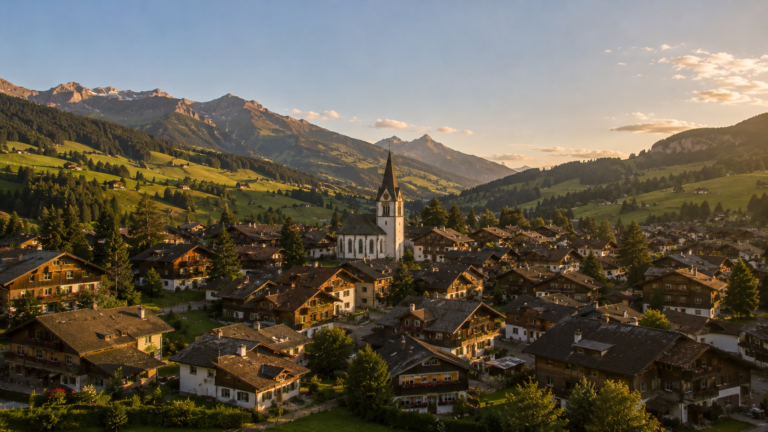
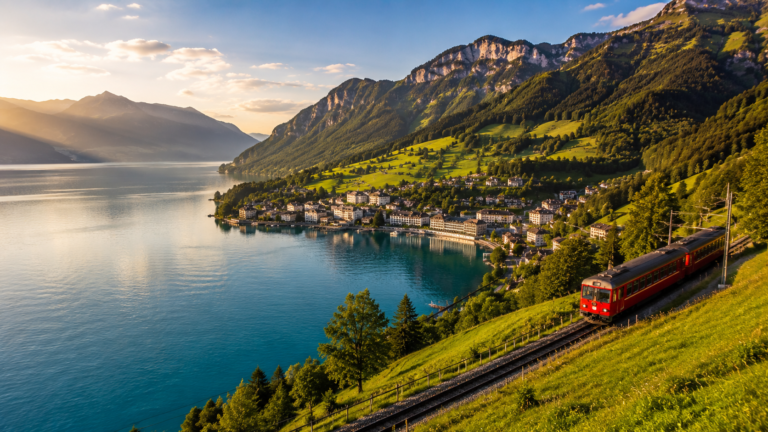
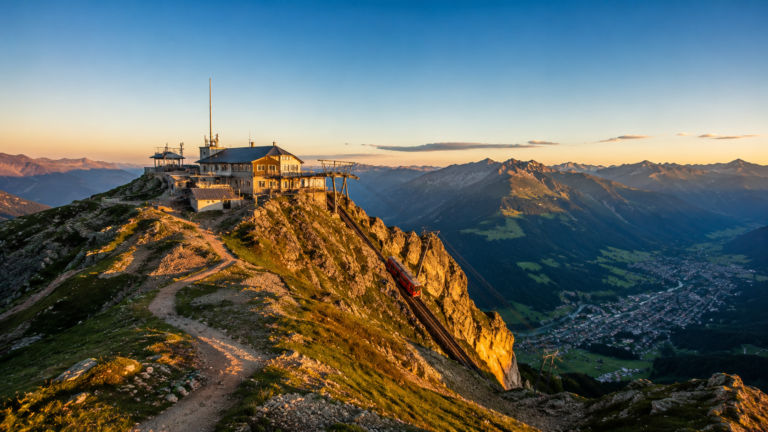
The experience begins in Stans, a charming town located a short distance from Lucerne. From the valley station, passengers board the historic funicular railway, whose roots trace back to 1893. The railway climbs through forests and green slopes toward the intermediate station at Kälti.
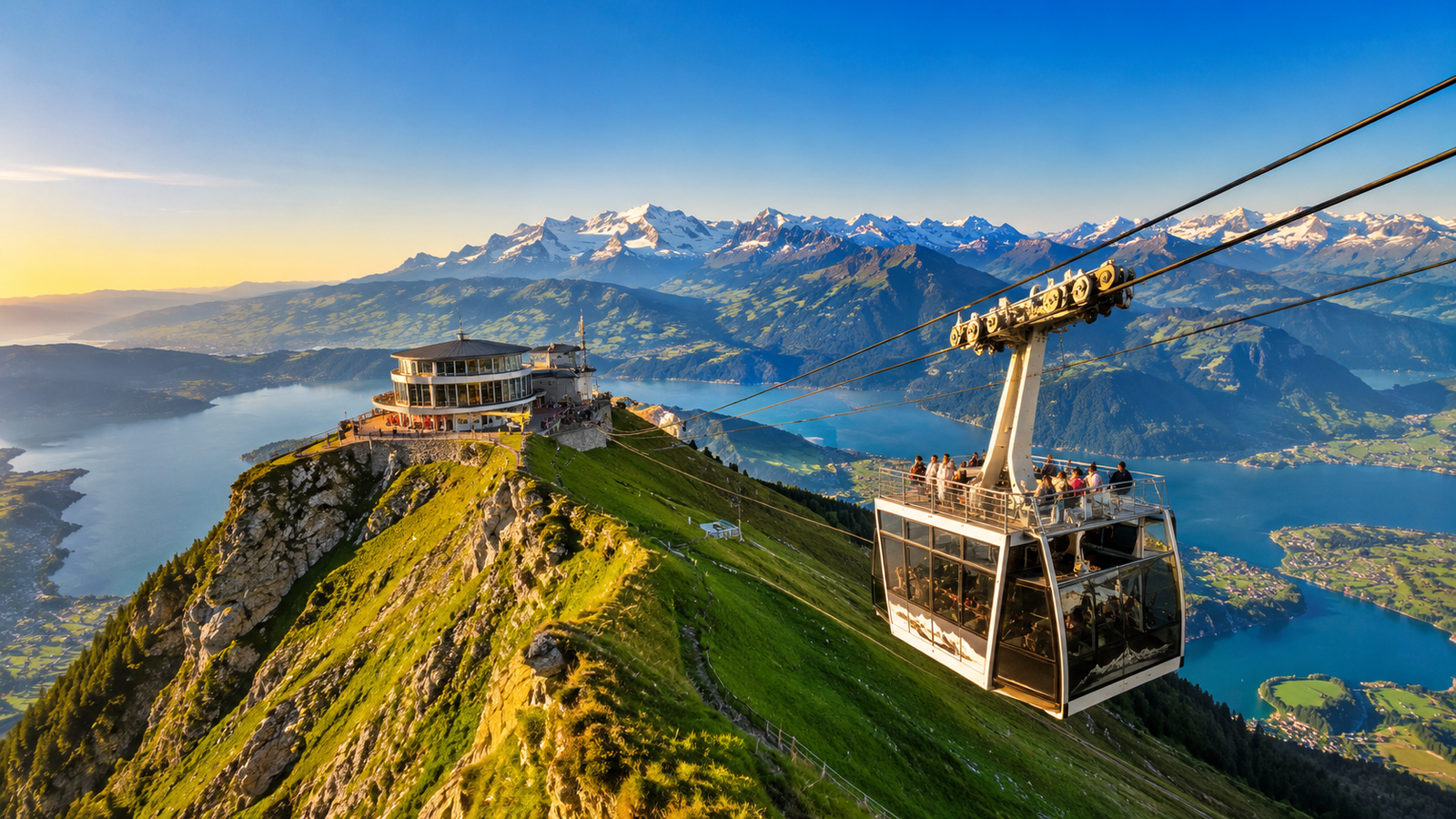
At Kälti, the journey takes a dramatic turn toward the future. Passengers transfer to the CabriO aerial cableway, introduced in 2012 and recognized as the world’s first open-top double-decker cable car. Its design allows visitors to stand on an upper outdoor deck while ascending high above the landscape without cables passing overhead.
The sensation is unlike any traditional mountain lift. Wind, open air, and unobstructed views create an experience that feels closer to flying than riding a cableway. As the cabin climbs toward the summit station, the surrounding landscape expands dramatically in every direction.
Views Across Lakes and Mountains
Stanserhorn’s summit is celebrated for its exceptional viewpoints.
One of the mountain’s most frequently mentioned attractions is the panorama that stretches across approximately one hundred kilometers of Alpine scenery and includes views toward multiple Swiss lakes. Visitors often spend considerable time simply observing the changing landscape from the summit terraces and viewing areas.
The Lake Lucerne region appears particularly impressive from this elevation. On clear days, distant peaks, valleys, and waterways combine to create one of Central Switzerland’s most memorable mountain panoramas.
The summit environment offers photographers excellent opportunities throughout the day. Morning light, afternoon visibility, and changing cloud formations constantly reshape the scenery, ensuring that no two visits feel exactly alike.
Nature at the Summit
Stanserhorn is more than a viewpoint. It is also a protected mountain environment where visitors can explore Alpine flora and fauna.
A circular summit trail allows guests to experience the landscape beyond the main viewing areas. Along the route, mountain plants, rocky terrain, and expansive vistas reveal the ecological diversity of the region. Rangers stationed on the mountain often share information about local wildlife, flowers, geology, and mountain history.
Among the most popular attractions are the marmots that inhabit the mountain area. These well-known Alpine animals provide an additional point of interest for families and nature enthusiasts.
The combination of education, wildlife observation, and accessible walking routes helps make Stanserhorn appealing to visitors of all ages.
Activities Beyond Sightseeing
Although many guests visit primarily for the views and transportation experience, Stanserhorn also offers opportunities for active exploration.
Several hiking routes connect the summit with surrounding landscapes. Options range from short panoramic walks to longer mountain hikes for experienced outdoor enthusiasts. Well-marked trails allow visitors to choose routes suited to their interests and fitness levels.
Dining is another important part of the experience. The summit is home to the Rondorama, recognized as Central Switzerland’s first revolving restaurant. Its rotating design allows guests to enjoy changing perspectives of the surrounding landscape while dining.
The combination of hiking, sightseeing, nature observation, and mountain dining creates a well-rounded excursion that appeals to diverse travel styles.
Visiting Seasons and Travel Planning
Stanserhorn generally operates as a seasonal mountain destination, welcoming visitors during the warmer months of the year. Conditions are particularly favorable from spring through autumn when hiking trails, viewpoints, and mountain facilities are fully accessible.
Summer offers green landscapes and long daylight hours, while autumn often brings crisp air and excellent visibility. Regardless of season, mountain weather can change quickly, making layered clothing and weather checks advisable before departure.
Because visibility is central to the experience, clear-weather days often provide the most rewarding visits.
Reaching Stanserhorn
One of Stanserhorn’s greatest advantages is its accessibility.
The mountain can be reached conveniently from Lucerne by train to Stans, followed by a short walk to the valley station. The combined transportation system then carries visitors from the town to the summit through a seamless sequence of historic and modern engineering.
Its proximity to Lucerne makes Stanserhorn a popular day trip for travelers exploring Central Switzerland while seeking an experience beyond the region’s more heavily visited destinations.
Why Travelers Continue to Choose Stanserhorn
Stanserhorn succeeds because it offers something increasingly rare: a destination where the journey is every bit as memorable as the arrival.
The historic funicular preserves an important chapter of Swiss transportation heritage, while the innovative CabriO cableway demonstrates the country’s continuing leadership in mountain engineering. Add sweeping panoramas, hiking opportunities, wildlife encounters, knowledgeable mountain rangers, and a welcoming summit environment, and it becomes clear why Stanserhorn remains one of Central Switzerland’s most rewarding mountain excursions.