
Faulhorn, Grindelwald, Bernese Oberland
Faulhorn: The Historic Summit Where Alpine Tourism Took Shape
Long before cable cars reached remote summits and panoramic restaurants appeared across the Alps, travelers climbed mountains on foot in search of extraordinary views and unforgettable experiences. Among the destinations that helped define this early era of Alpine tourism, few possess the historical significance of Faulhorn. Rising above Grindelwald in the Bernese Oberland, this distinctive summit combines remarkable scenery, centuries of mountaineering history, and one of the most iconic mountain hotels in Switzerland.
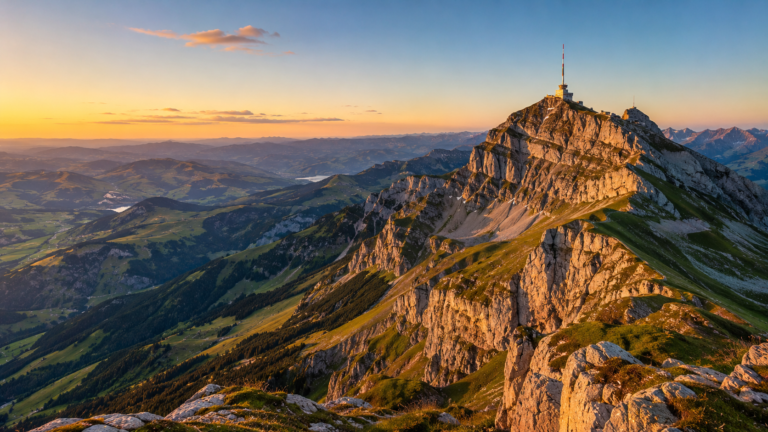
Standing at approximately 2,681 meters above sea level, Faulhorn occupies a commanding position between Lake Brienz and the mountain valleys surrounding Grindelwald. Unlike many dramatic Alpine peaks that require technical climbing, Faulhorn is accessible via well-established hiking routes, making it one of the most rewarding summit destinations for walkers seeking panoramic views of the Bernese Alps.
The mountain’s appeal begins with its geography. Located within the Bernese Alps, Faulhorn sits above one of Switzerland’s most celebrated landscapes. From the summit, visitors can admire an extraordinary panorama stretching across lakes, valleys, forests, and snow-covered peaks. On clear days, views extend toward Lake Brienz and Lake Thun to the north, while the celebrated peaks of the Bernese Alps dominate the southern horizon. Eiger, Mönch, Jungfrau, Schreckhorn, Wetterhorn, and Finsteraarhorn create a mountain skyline that has inspired travelers, artists, and photographers for generations.
The history of Faulhorn is closely linked to the rise of Alpine tourism during the nineteenth century. Although the mountain was known long before tourism developed, it gained increasing attention as travelers began exploring the Alps for recreation and scientific observation. Historical records document ascents as early as the eighteenth century, but the mountain’s transformation into a tourism destination accelerated during the early 1800s.
A defining chapter in that history arrived when a hospitality permit was granted for the summit in the early nineteenth century. Soon afterward, accommodations were established near the peak, creating one of the earliest examples of mountain tourism infrastructure in the Alps. The current Berghotel Faulhorn was completed in the early 1830s and remains one of the oldest surviving mountain hotels in the Alpine region. Remarkably, the building has retained much of its historic character despite nearly two centuries of exposure to severe mountain weather.
The Berghotel Faulhorn remains one of the destination’s most distinctive attractions. Unlike modern mountain hotels featuring contemporary architecture and luxury amenities, the historic inn preserves the atmosphere of an earlier era. Guests staying overnight experience accommodations that reflect the traditions of nineteenth-century Alpine travel. The building itself serves as a living reminder of the pioneering period when reaching mountain summits required significant physical effort and determination.
What makes Faulhorn particularly appealing is that the journey remains an essential part of the experience. No public road reaches the summit. Visitors arrive by hiking through spectacular mountain landscapes, preserving a sense of accomplishment that has largely disappeared from many easily accessible Alpine destinations. This requirement to reach the summit on foot contributes significantly to the mountain’s enduring charm.
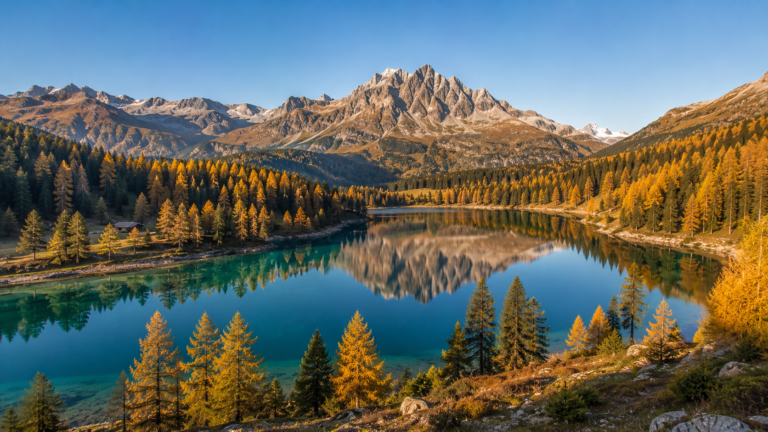
Several hiking routes lead to Faulhorn, each offering its own scenery and character. One of the most popular begins at First above Grindelwald. This route passes the famous Bachalpsee, a mountain lake celebrated for its mirror-like reflections of surrounding peaks. The combination of Bachalpsee and Faulhorn is often regarded as one of the classic hiking experiences in the Bernese Oberland. The trail traverses open Alpine terrain and gradually climbs toward the summit, delivering increasingly dramatic views with every step.
Another renowned approach follows the route between Schynige Platte and Faulhorn. Frequently described as one of Switzerland’s finest panoramic hikes, this trail remains above the tree line for much of its journey and showcases some of the most impressive scenery in the region. Hikers encounter sweeping views of lakes, glaciers, and mountain ranges while traversing high-altitude landscapes rich in Alpine flora during the summer months.
The summit itself provides an experience that rewards every kilometer of the ascent. Unlike narrow peaks that offer limited space, Faulhorn’s summit area allows visitors to comfortably explore viewpoints and enjoy the surrounding scenery. The historic hotel adds a distinctive visual element to the summit landscape, creating one of the most recognizable mountain silhouettes in the Bernese Oberland.
Photography is one of the most popular activities on Faulhorn. Sunrise and sunset often transform the surrounding mountains with changing colors and dramatic shadows. Early morning visitors may witness mist lingering in the valleys below while distant peaks emerge above the clouds. Throughout the day, shifting light creates constantly changing perspectives across the landscape. The summit’s unobstructed position provides exceptional opportunities for panoramic photography.
Faulhorn also occupies an important place in the cultural history of Alpine travel. During the nineteenth century, artists, scientists, and explorers frequently visited the summit. The mountain became associated with the growing fascination Europeans had with high-altitude landscapes and outdoor adventure. Historic paintings, travel accounts, and scientific observations helped establish Faulhorn as a destination of both natural and cultural significance.
Summer is generally considered the best season to visit. Snow-free trails allow hikers to access the summit comfortably while enjoying alpine meadows and clear views. The period from late spring through early autumn offers the most reliable hiking conditions. Weather remains an important consideration, however, as mountain conditions can change rapidly. Because many routes remain above the tree line, visibility and safety are closely linked to weather forecasts.
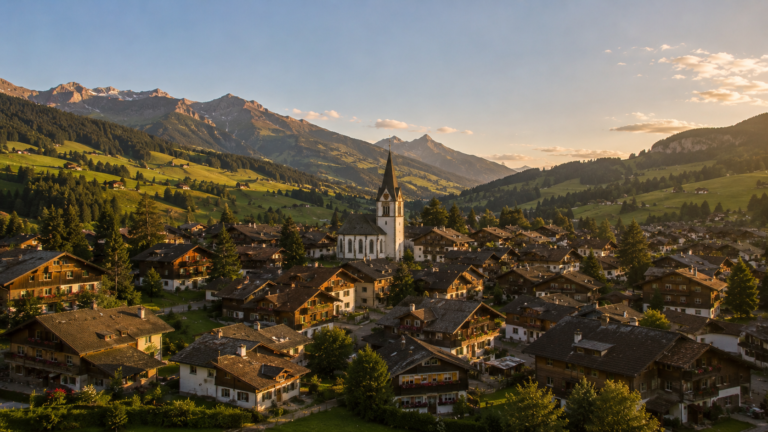
Reaching Faulhorn is relatively straightforward despite its remote appearance. Most visitors begin in Grindelwald, one of Switzerland’s best-known mountain villages. From there, transportation connections provide access to First or other nearby trailheads. Schynige Platte, another common starting point, can be reached via its historic mountain railway. These access points allow hikers to choose routes based on available time, fitness levels, and desired scenery.
Travelers planning a visit should wear sturdy hiking footwear, carry sufficient water, and monitor mountain weather conditions carefully. Because the summit can be significantly cooler than the valleys below, layered clothing is recommended even during summer. Those intending to stay overnight at the historic hotel should make arrangements well in advance due to its unique appeal and limited capacity.
Few destinations in Switzerland combine natural beauty and tourism history as successfully as Faulhorn. It is a place where the traditions of early Alpine exploration remain visible, where hikers still earn their summit views through effort, and where one of the Alps’ most historic mountain hotels continues to welcome guests above the clouds. For travelers seeking both scenery and a deeper connection to the origins of mountain tourism, Faulhorn remains one of the Bernese Oberland’s most rewarding destinations.