Corvatsch, Silvaplana (St. Moritz Region), Switzerland
Corvatsch: High Above the Engadin’s Lakes and Glaciers
Towering above the Upper Engadin and overlooking a chain of sparkling mountain lakes, Corvatsch is one of the most impressive alpine destinations in eastern Switzerland. Known for its dramatic scenery, glacier views, extensive hiking opportunities, and renowned winter sports terrain, the mountain has become a defining landmark of the Engadin region.
While nearby St. Moritz often attracts international attention, Corvatsch offers visitors a different perspective on the Swiss Alps. Here, broad panoramas, high-altitude landscapes, and easy access to the heart of the Bernina Alps create an experience that combines natural grandeur with outdoor adventure. Whether arriving in summer to explore mountain trails or in winter to enjoy snow-covered slopes, visitors encounter one of the most spectacular viewpoints in Graubünden.
Corvatsch rises above the villages of Silvaplana and Sils in the canton of Graubünden. The mountain belongs to a ridge that extends toward the Bernina Range, Switzerland’s highest mountain group in the Eastern Alps. The summit area reaches an elevation of more than 3,300 meters and provides remarkable views across the Engadin Valley.
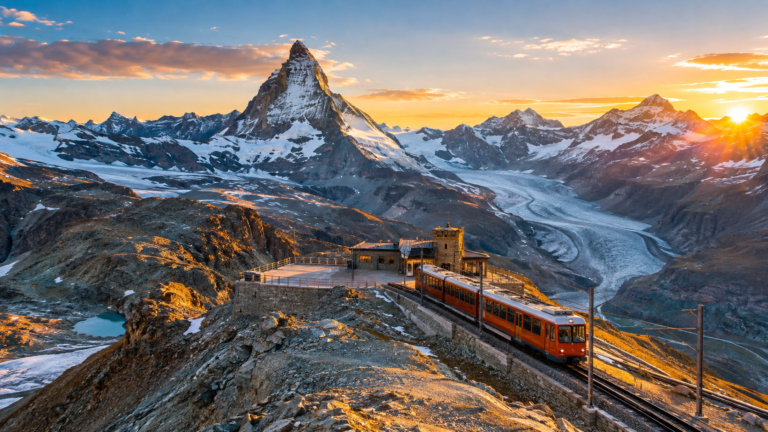
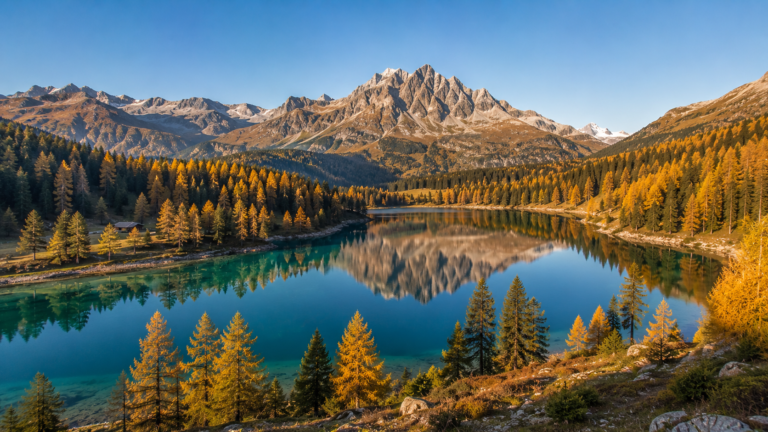
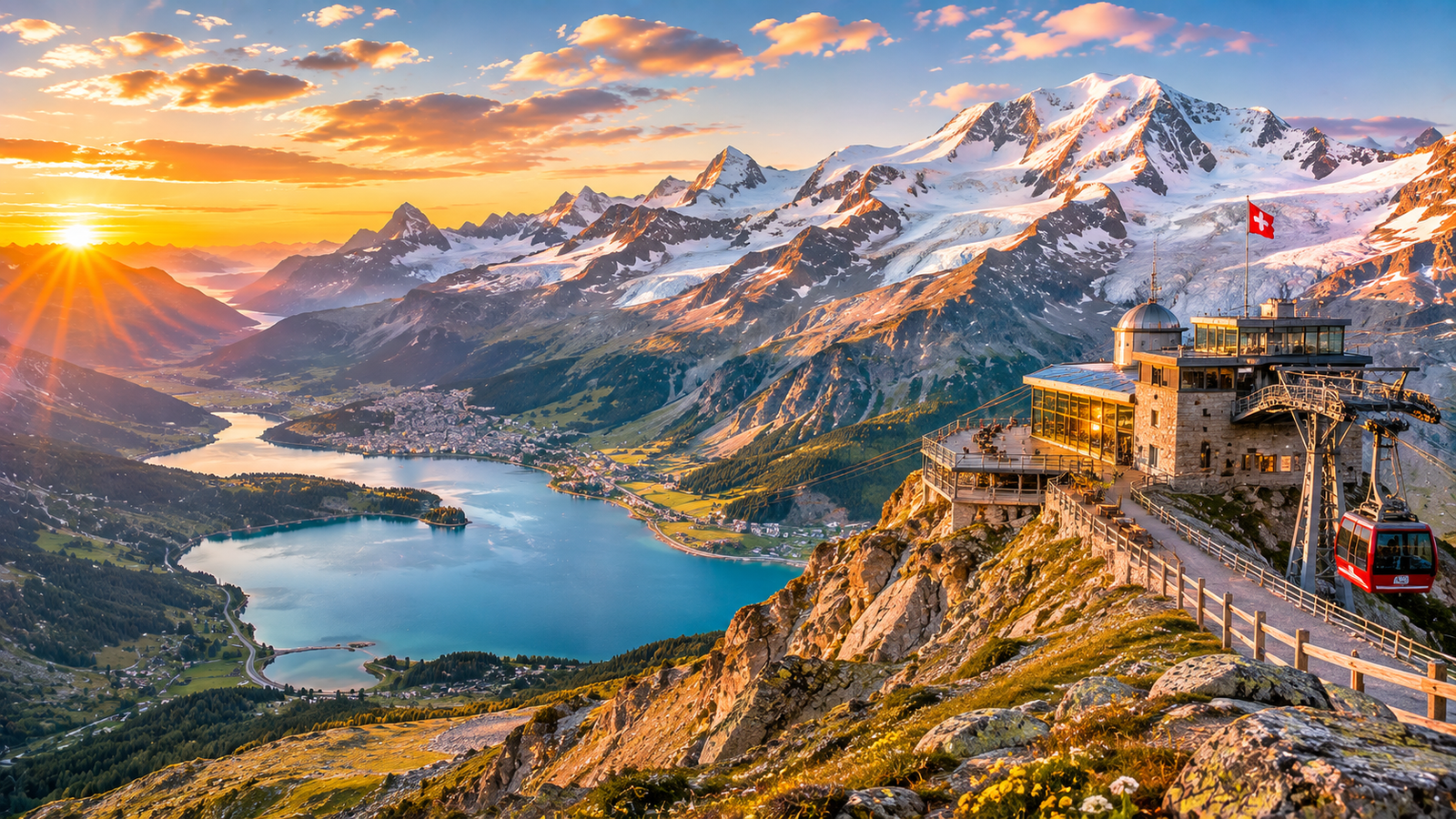
From its upper station, visitors can observe a landscape shaped by glaciers, ancient geological forces, and centuries of Alpine tradition. Lakes Silvaplana, Champfèr, and St. Moritz shimmer below, while peaks such as Piz Bernina, Piz Roseg, and Piz Palü dominate the southern horizon. The contrast between the deep blue lakes and the rugged mountain scenery is among the most striking natural spectacles in Switzerland.
The name Corvatsch is associated with local legends and the Romansh-speaking heritage of the region. For generations, the mountain has been part of the cultural identity of the Upper Engadin, a valley where Romansh traditions continue to influence local life alongside German and Italian cultural elements.
Modern tourism began transforming the area during the nineteenth and twentieth centuries as travelers discovered the Engadin’s healthy mountain climate and extraordinary landscapes. The development of cableway infrastructure allowed visitors to reach elevations that previously required demanding climbs. Over time, Corvatsch evolved into one of Switzerland’s leading mountain excursion destinations while preserving its close connection to the natural environment.
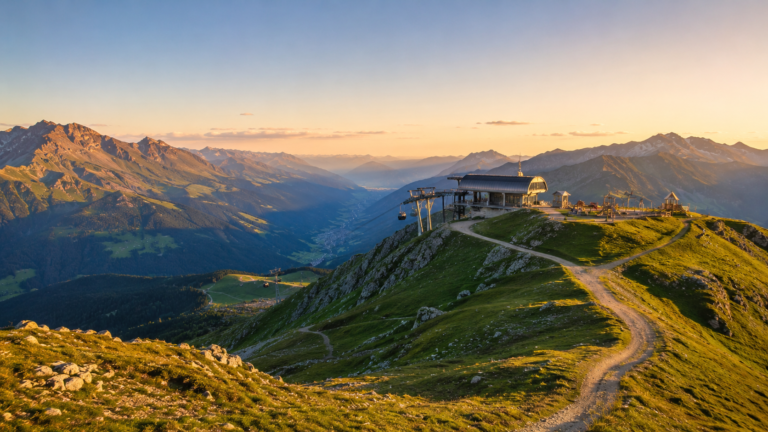
Today, advanced cable cars transport visitors from the valley floor to high-altitude viewpoints in a relatively short time. Despite these modern conveniences, the mountain retains a distinctly wild atmosphere, particularly around its glacier-fed valleys and remote alpine terrain.
One of Corvatsch’s greatest attractions is its exceptional panorama. The upper viewing areas reveal a sweeping perspective over the Engadin lakes and the surrounding Alps. On clear days, visitors can see across vast sections of southeastern Switzerland while enjoying unobstructed views of the Bernina Massif.
Unlike many mountain viewpoints that focus on a single iconic summit, Corvatsch presents an entire Alpine landscape. Snow-covered peaks, rocky ridges, glaciers, forests, and lakes combine to create a scene that changes continuously with the light and weather conditions.
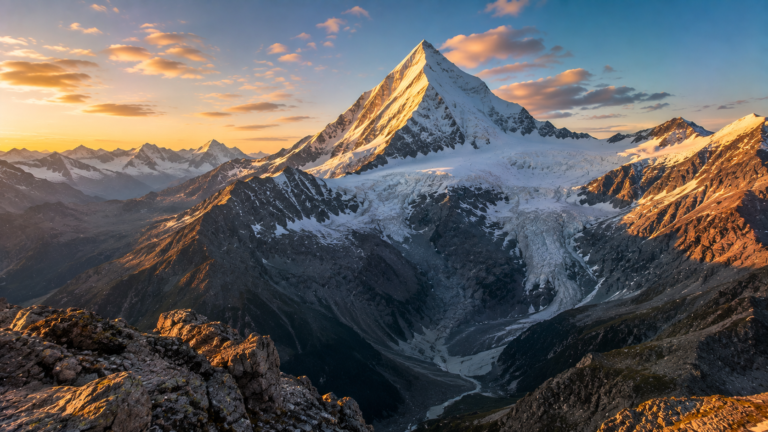
The nearby Corvatsch Glacier adds another dramatic element to the scenery. While smaller than some of Switzerland’s most famous glaciers, it contributes to the mountain’s high-alpine character and provides a reminder of the powerful natural forces that have shaped the region over thousands of years.
The journey to Corvatsch is itself an attraction. Visitors typically begin in Silvaplana, where a cable car system ascends through several elevation zones. As the cabins rise above forests and alpine meadows, the surrounding landscape gradually opens to reveal increasingly dramatic mountain views.
Upon reaching the upper station, visitors step into an environment defined by rock, snow, and vast open skies. The altitude creates a sense of immersion in the high Alps that few destinations can match. The atmosphere is noticeably cooler, the air exceptionally clear, and the scale of the landscape immediately apparent.
Photography enthusiasts are particularly drawn to Corvatsch because of the quality of light throughout the day. Sunrise, sunset, and changing weather patterns can transform the scenery from brilliant blue skies to dramatic cloud formations and glowing alpine ridges.
Summer reveals a completely different side of Corvatsch. As snow retreats from many lower slopes, an extensive network of hiking routes becomes accessible. Trails range from relatively easy panoramic walks to more demanding mountain routes that traverse rugged terrain.
One of the most rewarding aspects of hiking in the area is the constant presence of extraordinary scenery. Alpine flowers bloom across meadows, streams flow from melting snowfields, and distant glaciers remain visible even during the warmest months. The landscape feels both expansive and intimate, offering countless opportunities for exploration.
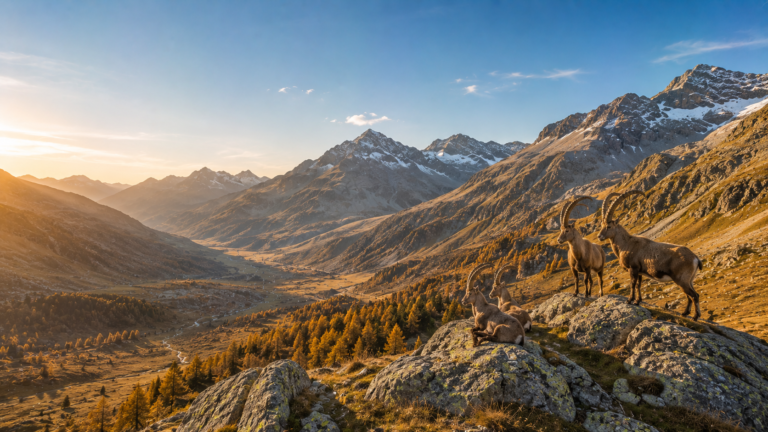
Nature enthusiasts often visit to observe the mountain environment and its wildlife. Marmots, ibex, and alpine birds are among the species that inhabit the region. The protected landscapes surrounding the Engadin help preserve these habitats while allowing visitors to experience the natural richness of the Alps.
During winter, Corvatsch becomes one of the premier ski destinations in the Engadin. The mountain is known for its high elevation, reliable snow conditions, and extensive terrain. Long descents, wide-open slopes, and panoramic viewpoints distinguish the area from many other Alpine resorts.
Because much of the ski terrain is located at high altitude, snow conditions often remain favorable throughout the season. The mountain also hosts one of the longest illuminated ski runs in Switzerland, adding a unique evening experience for winter sports enthusiasts.
Snowboarders and skiers appreciate the combination of challenging runs and spectacular scenery. Even visitors who do not participate in winter sports often travel to the summit simply to enjoy the views and experience the atmosphere of a snow-covered Alpine landscape.
The best time to visit Corvatsch depends on personal interests. Summer is ideal for hiking, sightseeing, photography, and enjoying the mountain’s lakes and valleys. Clear weather often provides excellent visibility, and the trails offer access to some of the most beautiful scenery in the Engadin.
Winter attracts visitors seeking skiing, snowboarding, and classic Alpine experiences. Snow-covered peaks, frozen landscapes, and bright sunshine create the kind of mountain scenery often associated with Switzerland’s international image.
Transportation access is straightforward. Travelers can reach the Engadin by rail or road, with St. Moritz serving as the region’s principal transportation hub. From there, local connections provide access to Silvaplana and the Corvatsch cable car station.
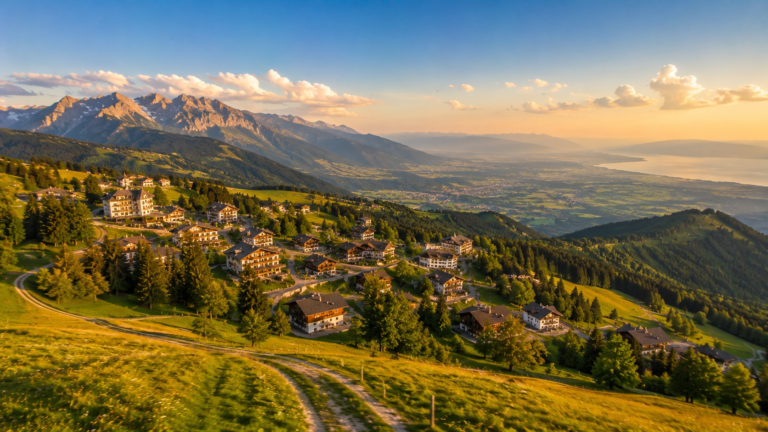
The surrounding villages add another dimension to the experience. Traditional Engadin architecture, local cuisine, and centuries-old cultural traditions remain visible throughout the region. Visitors can combine a mountain excursion with exploration of charming villages, historic churches, and lakeside landscapes.
Corvatsch’s popularity stems from its unique ability to showcase the diversity of the Swiss Alps. Few destinations offer such a balanced combination of panoramic viewpoints, glacier scenery, outdoor activities, cultural heritage, and accessibility. The mountain appeals equally to photographers, hikers, winter sports enthusiasts, and travelers simply seeking unforgettable Alpine views.
Standing high above the Engadin lakes while gazing toward the Bernina peaks, visitors quickly understand why Corvatsch occupies such a special place within Switzerland’s mountain landscape. It is a destination where natural beauty, adventure, and Alpine tradition come together in one remarkable setting.