Breithorn, Zermatt, Switzerland
Breithorn: Switzerland’s Accessible Four-Thousand-Meter Alpine Giant
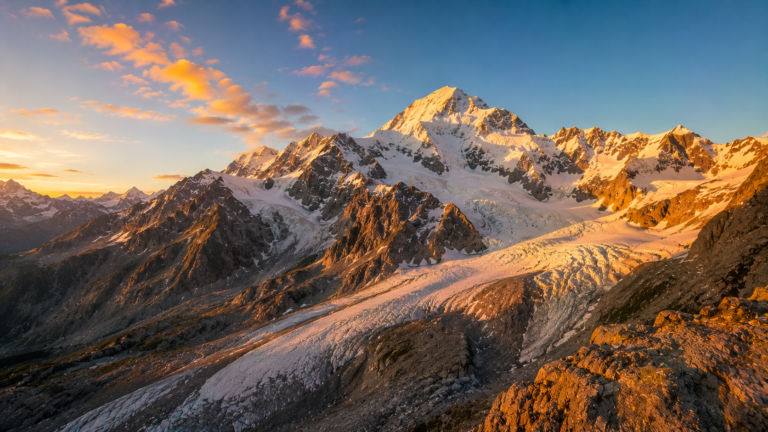
Rising above the glaciers and mountain passes near Zermatt, Breithorn stands as one of the most recognizable summits in the Swiss Alps. Although overshadowed in fame by the nearby Matterhorn, this impressive mountain occupies a special place in Alpine travel and mountaineering. Its broad snow-covered ridge, dramatic glacier surroundings, and relatively accessible location have made it one of the best-known peaks in the Pennine Alps.
For travelers exploring southwestern Switzerland, Breithorn offers an extraordinary combination of high-mountain scenery and accessibility. It is a destination where visitors can stand among some of Europe’s highest peaks while witnessing the vast glacier landscapes that define the Alpine world.
A Landmark Above Zermatt
Breithorn is located on the border between Switzerland and Italy within the Pennine Alps. The mountain rises east of the Matterhorn and forms part of a high-altitude chain of peaks surrounding the Zermatt region.
The summit reaches an elevation exceeding four thousand meters, making it one of Switzerland’s celebrated Alpine giants. Unlike many sharply pointed peaks, Breithorn is characterized by a broad snow-covered crest that stretches across multiple summits. This distinctive profile is reflected in its name, which translates to “broad horn.”
Its position within the heart of the Alps provides panoramic views across Switzerland and northern Italy, creating one of the most spectacular mountain environments in Europe.
The Geography of a High Alpine World
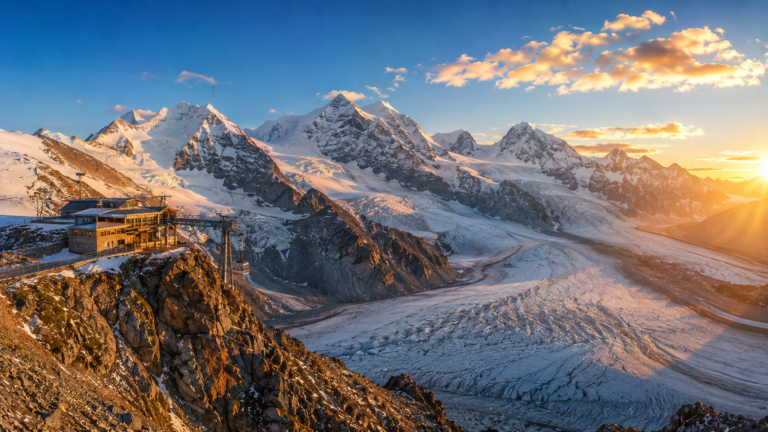
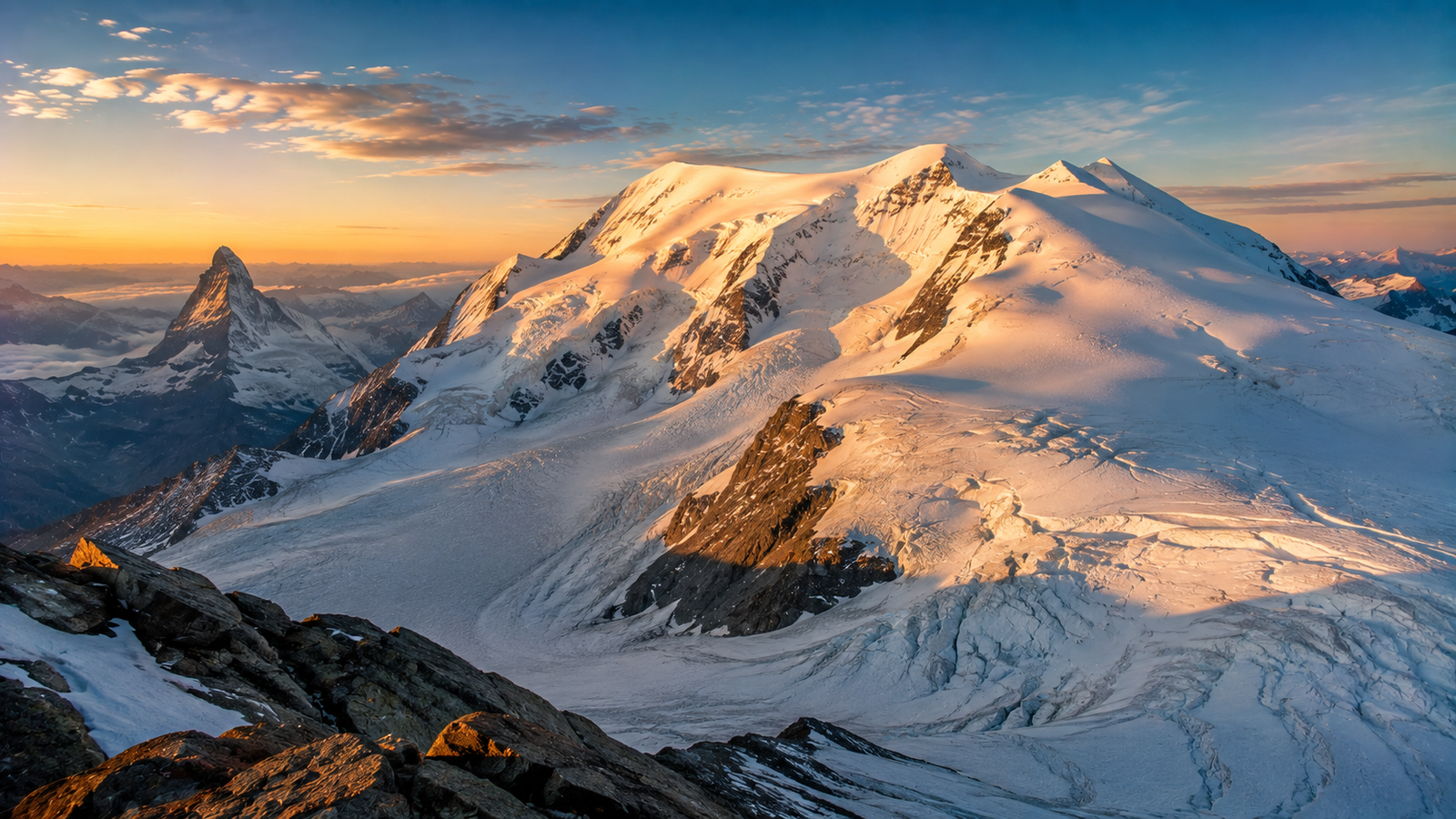
Breithorn sits amid a landscape dominated by glaciers, snowfields, and rugged mountain ridges. The mountain overlooks extensive ice formations connected to the Theodul Glacier and neighboring glacier systems that have shaped the region for thousands of years.
The surrounding terrain includes some of the most famous mountains in the Alps. From many viewpoints near Breithorn, visitors can see the Matterhorn, Monte Rosa massif, Castor, Pollux, and numerous other high summits.
This concentration of major Alpine peaks creates a dramatic setting rarely matched elsewhere in Europe. The area represents a classic high-mountain environment where glaciers, rock formations, and snowfields dominate the landscape.
A Mountain with a Rich Climbing Heritage
Breithorn has long been associated with the history of Alpine exploration. During the nineteenth century, mountaineers and guides increasingly explored the high peaks surrounding Zermatt, helping establish the region as one of the world’s premier mountaineering destinations.
As interest in Alpine climbing grew, Breithorn gained recognition as a significant summit within the Pennine Alps. The mountain became an important objective for climbers seeking experience on glaciated terrain and high-altitude routes.
Its mountaineering heritage continues today, with guided ascents remaining a popular activity for visitors interested in experiencing a four-thousand-meter summit under professional supervision.
The Influence of Zermatt
The development of Zermatt transformed access to Breithorn and neighboring mountains. What was once a remote Alpine valley evolved into one of Switzerland’s leading mountain destinations.
Today, Zermatt serves as the primary gateway for travelers visiting Breithorn. The village combines traditional Alpine character with modern tourism infrastructure, making it possible for visitors from around the world to explore the region.
The mountain’s proximity to Zermatt contributes significantly to its popularity. Travelers can enjoy a comfortable base in the valley before venturing into a high-altitude environment surrounded by glaciers and towering peaks.
What Makes Breithorn Unique
Among Switzerland’s many four-thousand-meter mountains, Breithorn is often regarded as one of the most approachable for experienced hikers and aspiring mountaineers accompanied by qualified guides.
The mountain’s broad summit ridge contrasts dramatically with the sharp profile of the Matterhorn. This distinctive shape creates an impressive visual presence when viewed from surrounding valleys and viewpoints.
The panoramic scenery is equally remarkable. From the summit region, visitors are rewarded with sweeping views across the Pennine Alps, including some of the highest mountains in Switzerland and Italy.
The combination of accessibility, scenery, and mountaineering history makes Breithorn a standout destination in the Swiss Alps.
Glacier Paradise and Access to the Mountain
Modern transportation has made Breithorn more accessible than many comparable peaks.
Most visitors begin their journey in Zermatt before traveling toward the high-altitude area known as Matterhorn Glacier Paradise. The cableway system carries passengers high into the mountains, dramatically reducing the distance between the valley and the glacier environment.
From these elevated stations, travelers can admire extensive glacier landscapes and enjoy some of the highest accessible viewpoints in Europe.
For climbers and guided groups, these facilities provide a practical starting point for exploring the Breithorn region and surrounding Alpine terrain.
The Visitor Experience
Even travelers with no intention of climbing the summit can enjoy an unforgettable experience in the Breithorn area.
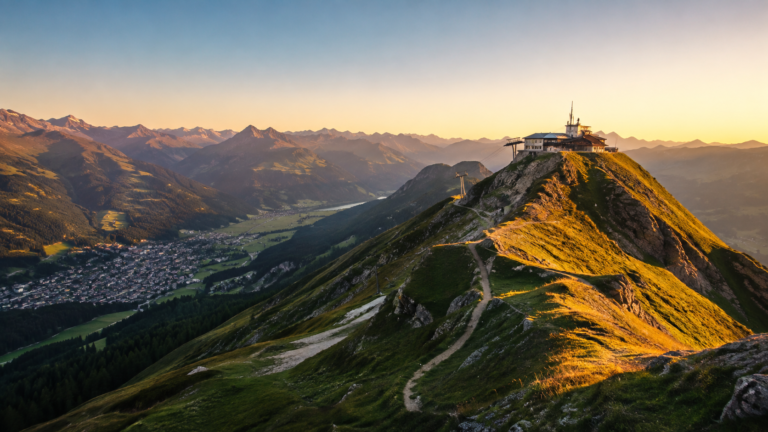
Observation platforms, mountain stations, and scenic viewpoints offer exceptional opportunities to appreciate the surrounding landscape. The views encompass glaciers, rocky ridges, and distant mountain ranges extending across international borders.
Photographers are particularly drawn to the area because of the interplay between snow, ice, rock, and changing light conditions. Sunrise and sunset often transform the mountain scenery into a dramatic display of color and contrast.
The sense of scale is another defining feature. Standing among the glaciers near Breithorn provides a powerful perspective on the size and grandeur of the Alpine environment.
Activities Around Breithorn
The region offers a wide variety of outdoor experiences throughout the year.
In summer, hiking trails connect scenic viewpoints and mountain stations, allowing visitors to explore different sections of the Alpine landscape. Guided glacier walks introduce travelers to the unique characteristics of high-mountain ice environments.
Mountaineering remains a major attraction. Professional guides help visitors navigate glacier terrain while sharing knowledge about mountain safety and local geography.
Winter transforms the area into a snowy wonderland. Skiing, snow-based recreation, and scenic sightseeing continue to attract visitors who wish to experience the high Alps during colder months.
Best Time to Visit
Breithorn offers rewarding experiences in every season.
Summer generally provides the most stable conditions for hiking, sightseeing, and guided mountaineering activities. Clear skies often reveal extensive views across the surrounding peaks and glaciers.
Autumn is appreciated for crisp air, excellent visibility, and quieter mountain landscapes.
Winter brings deep snow, dramatic scenery, and opportunities to enjoy the region’s renowned Alpine environment from a different perspective.
Spring can provide striking contrasts between snowy high elevations and greener valley landscapes below.
Local Culture and Alpine Traditions
The Breithorn region is closely linked to the traditions of Valais and the mountain communities that have lived among these peaks for centuries.
Zermatt reflects a blend of Alpine heritage and international tourism. Traditional architecture, local cuisine, and mountain culture remain important elements of the visitor experience.
The relationship between people and mountains is evident throughout the region. Historic routes, guiding traditions, and respect for the Alpine environment continue to shape life in the valley today.
Practical Travel Tips
Mountain weather can change quickly, even during the warmer months. Visitors should prepare for cooler temperatures at higher elevations and carry appropriate clothing.
Those considering glacier travel or summit ascents should seek guidance from qualified professionals and follow established safety recommendations.
Comfortable footwear, sun protection, and adequate hydration are essential for exploring high-altitude environments.
Travelers should also allow time to acclimate to elevation changes and enjoy the region at a relaxed pace.
Breithorn remains one of Switzerland’s most fascinating mountain destinations because it combines dramatic Alpine scenery, rich mountaineering history, and exceptional accessibility. Whether admired from a panoramic viewpoint, explored through glacier excursions, or climbed as part of a guided adventure, the mountain offers an unforgettable encounter with the grandeur of the Swiss Alps.