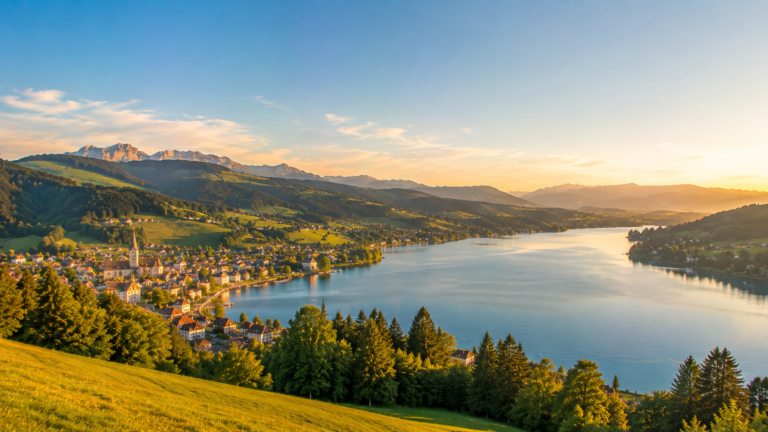
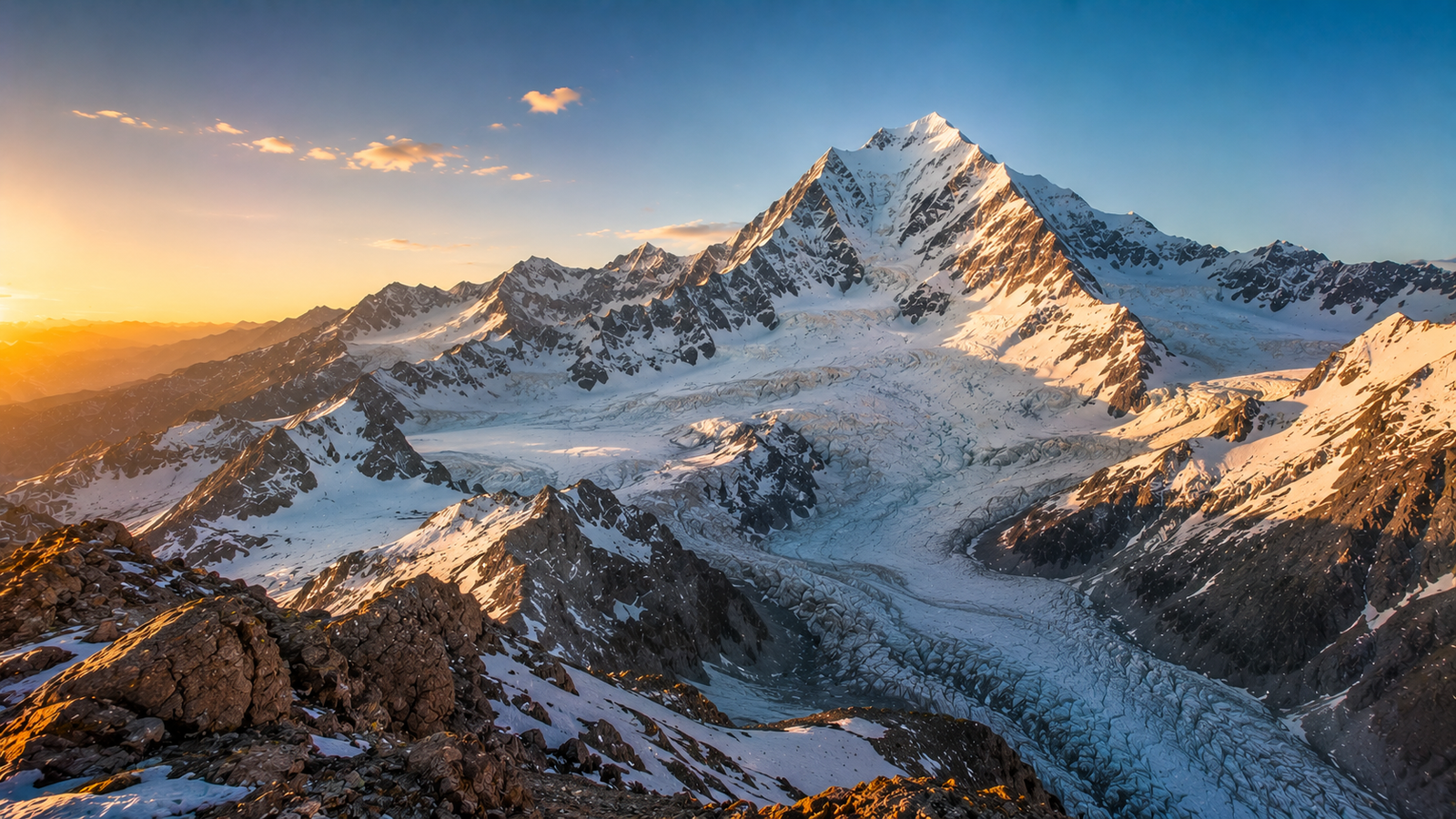
Dom, Saas-Fee, Switzerland
Dom: Exploring Switzerland’s Highest Mountain Entirely Within the Country
Among the towering giants of the Swiss Alps, Dom holds a distinction that sets it apart from every other mountain in the country. Rising to 4,545 meters in the Pennine Alps, it is the highest mountain whose summit lies entirely within Swiss territory. While neighboring peaks along the Swiss-Italian border often receive greater international attention, Dom commands respect through its immense scale, dramatic setting, and deep connection to the mountaineering history of Switzerland.
Located above the Saas Valley in the canton of Valais, Dom dominates the landscape with vast glacier systems, steep ridges, and expansive Alpine panoramas. Its summit forms part of the renowned Mischabel range, a collection of high peaks that ranks among the most impressive mountain groups in Europe. For travelers seeking authentic mountain scenery, Dom offers an encounter with the grandeur that defines the Swiss Alps.
A Giant of the Mischabel Range
Dom is the highest summit within the Mischabel massif, a spectacular mountain chain situated between the Matter Valley and the Saas Valley. This group includes several of Switzerland’s highest peaks, creating one of the most dramatic skylines in the Alps.
The mountain rises above surrounding glaciers and valleys with remarkable prominence. Its summit is often visible from elevated viewpoints throughout the region, where its massive snow-covered slopes stand out against neighboring peaks.
Unlike isolated mountains that dominate a single valley, Dom forms part of a broader Alpine landscape filled with towering summits, ice fields, and rugged ridgelines. This setting enhances its visual impact and contributes to its reputation among climbers and nature enthusiasts.
Geography and Alpine Environment
The mountain is located in the canton of Valais, one of Switzerland’s most mountainous regions. Positioned within the Pennine Alps, Dom occupies a landscape shaped by geological forces and glaciers over countless millennia.
Large glacier systems surround the peak, carving valleys and sculpting the terrain into the dramatic forms visible today. Snowfields, rocky ridges, and steep ice-covered slopes characterize the upper elevations, while lower areas transition into Alpine meadows and forests.
The mountain’s elevation places it among the most significant natural landmarks in Switzerland. Its position also provides exceptional views across the surrounding Alps, including neighboring peaks that form part of the broader Valais mountain region.
A Mountain with Historical Significance
Dom occupies an important place in the history of Alpine exploration.
During the nineteenth century, the Alps attracted increasing attention from scientists, explorers, and mountaineers. Many of the region’s highest peaks became objectives for pioneering expeditions seeking to reach previously untouched summits.
The mountain was first successfully climbed during this period of exploration, contributing to the development of Alpine mountaineering. The achievement highlighted both the challenges and rewards of ascending one of Switzerland’s highest mountains.
Over time, Dom became recognized as a classic objective for experienced climbers. Its long glacier approaches and demanding summit route continue to attract mountaineers from around the world.
The Glacier Kingdom of Dom
One of the defining characteristics of Dom is its relationship with the glaciers that surround it.
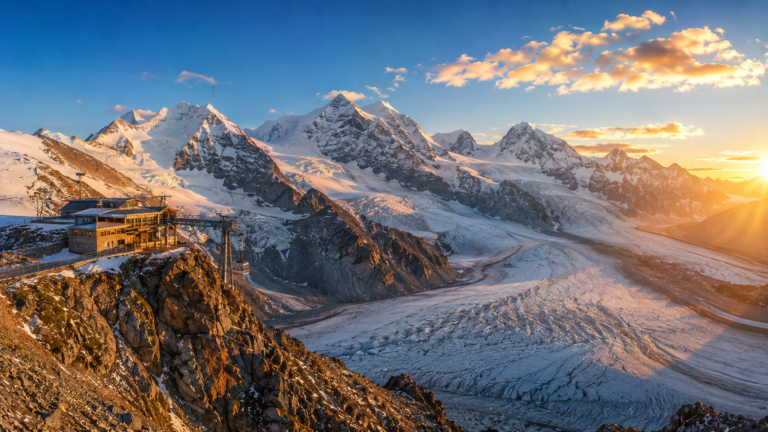
The mountain rises above extensive ice fields that remain among the most impressive in the Alps. These glaciers have shaped the region’s geography and continue to influence the landscape today.
From elevated viewpoints, visitors can observe vast rivers of ice winding through high mountain basins. The contrast between brilliant glacier surfaces and dark rock formations creates striking scenery throughout the year.
The glacier environment also contributes to the mountain’s sense of scale. Distances appear amplified by the expansive ice fields that separate peaks and valleys, emphasizing the immense size of the Alpine landscape.
Scenic Views from the Saas Valley
Although the summit itself is primarily accessible to experienced climbers, many visitors enjoy remarkable views of Dom without attempting an ascent.
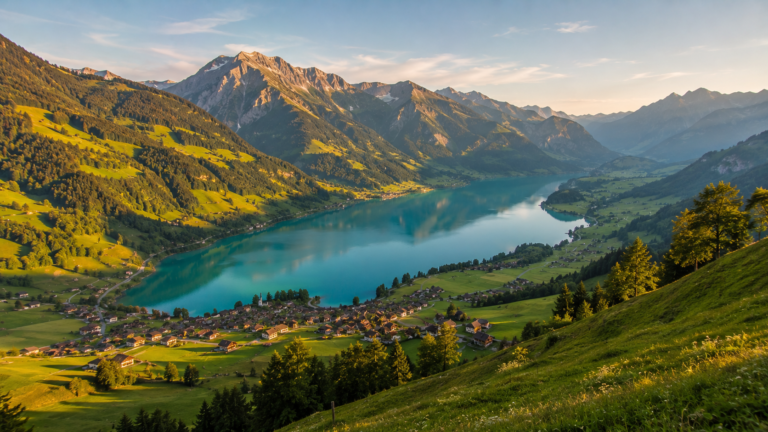
The Saas Valley offers some of the most rewarding perspectives. Traditional mountain villages, hiking routes, and elevated viewpoints provide opportunities to admire the peak from various angles.
Saas-Fee, often referred to as one of Switzerland’s most scenic mountain destinations, serves as an excellent base for exploring the surrounding region. From the village and nearby trails, Dom appears as a dominant presence above the skyline.
The mountain’s appearance changes with weather, season, and light conditions. Early morning sunlight and evening alpenglow often create particularly memorable scenes.
Hiking and Outdoor Adventures
The region surrounding Dom is a paradise for outdoor enthusiasts.
Numerous hiking routes lead through Alpine meadows, forests, and high-altitude landscapes where visitors can experience the beauty of the Valais Alps firsthand. Trails range from gentle walks to demanding mountain routes that provide increasingly dramatic views of the surrounding peaks.
Many hikers visit the area specifically to explore the glacier landscapes associated with the Mischabel range. Observation points reveal the scale of the mountain environment while allowing visitors to appreciate Dom’s impressive summit from a safe distance.
Photographers, nature lovers, and adventure travelers frequently consider the region among the most rewarding mountain destinations in Switzerland.
Seasonal Beauty Throughout the Year
Dom presents a different character in every season.
Summer brings accessible hiking trails, green valleys, and excellent visibility. Snow remains on the upper slopes, creating dramatic contrasts with the landscapes below.
Autumn often provides exceptionally clear mountain views. Cooler temperatures and stable atmospheric conditions reveal sharp details across the surrounding peaks and glaciers.
Winter transforms the entire region into a landscape of snow and ice. The mountain becomes part of an immense frozen panorama that stretches across the upper Valais Alps.
Spring introduces new life to lower elevations while the summit retains its winter appearance. This seasonal transition creates striking visual contrasts throughout the region.
Alpine Wildlife and Natural Heritage
The mountain environment surrounding Dom supports a range of Alpine ecosystems.
High-altitude meadows provide seasonal habitats for plants adapted to short growing seasons, while rocky slopes and mountain environments support wildlife capable of thriving in challenging conditions.
The preservation of these natural landscapes remains a priority throughout the Swiss Alps. Sustainable tourism practices help ensure that visitors can continue experiencing the region’s ecological richness alongside its scenic beauty.
The mountain’s location within a largely undeveloped Alpine environment contributes significantly to its appeal for travelers seeking authentic nature experiences.
Access and Transportation
The primary gateway to Dom is the Saas Valley, which is connected to the broader Swiss transportation network through rail and road links.
Visitors typically travel through Valais before continuing toward Saas-Fee and neighboring communities. From these locations, hiking routes, mountain paths, and scenic viewpoints provide access to the surrounding landscape.
Although the summit itself requires technical mountaineering expertise, many of the region’s most impressive views can be reached through established trails and mountain excursions.
Travelers should remain aware of changing weather conditions, particularly at higher elevations where temperatures can shift rapidly even during summer months.
Why Dom Continues to Impress
Dom occupies a unique place among Switzerland’s great mountains. Its distinction as the highest mountain located entirely within Swiss territory gives it special significance, but its appeal extends far beyond records and measurements.
The mountain represents the essence of the high Alps: towering glaciers, dramatic ridges, immense scale, and a landscape shaped by natural forces over thousands of years. Whether admired from a valley viewpoint, observed from a mountain trail, or studied by climbers preparing for an ascent, Dom offers an unforgettable glimpse into one of Europe’s most spectacular mountain environments.
For travelers exploring the Swiss Alps, Dom remains one of the country’s most remarkable natural landmarks—a mountain that embodies both the beauty and the power of the Alpine world.