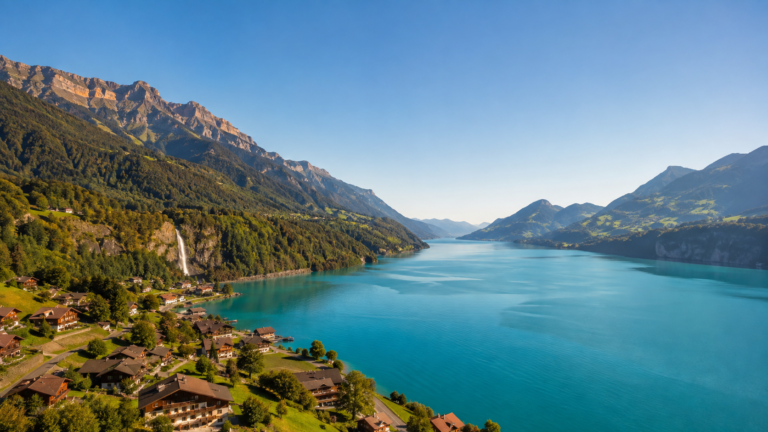
Bern Canton
Introduction
The Canton of Bern is one of Switzerland’s most diverse and captivating regions. Stretching from the rolling hills of the Swiss Plateau to the towering peaks of the Bernese Alps, it offers an extraordinary blend of history, culture, nature, and adventure. As Switzerland’s second-largest canton by area and home to the federal capital city of Bern, it plays a central role in the country’s political, economic, and cultural life.
Travelers visit Bern for many reasons. Some come to explore the medieval streets of Bern’s Old Town, a UNESCO World Heritage Site. Others are drawn by iconic mountain destinations such as Grindelwald, Lauterbrunnen, and the Jungfrau Region. The canton also boasts beautiful lakes, traditional villages, world-class museums, and some of Switzerland’s most spectacular landscapes.
Whether you are interested in Swiss history, Alpine adventures, scenic rail journeys, or authentic local traditions, Bern offers experiences that showcase the very best of Switzerland.
Quick Facts
| Fact | Information |
|---|---|
| Official Name | Canton of Bern (Kanton Bern / Canton de Berne) |
| Capital | Bern |
| Largest City | Bern |
| Area | Approximately 5,960 km² |
| Population | About 1.07 million residents (2025) |
| Official Language(s) | German and French |
| Highest Point | Finsteraarhorn (4,274 m) |
| Lowest Point | Near Wynau (approximately 401 m) |
| Joined Swiss Confederation | 1353 |
| Vehicle Registration Code | BE |
| Number of Municipalities | 337 (2025) |
Sources: Canton of Bern Statistics, Swiss Federal Statistical Office, Bern Tourism.
Where Is Bern Located?
Bern is located in west-central Switzerland and occupies a strategic position connecting the country’s German-speaking and French-speaking regions.
The canton borders the cantons of Vaud, Fribourg, Neuchâtel, Jura, Solothurn, Aargau, Lucerne, Nidwalden, Obwalden, Uri, and Valais. It does not share an international border, but its location places it at the crossroads of major Swiss transportation routes.
Bern’s central position has historically made it an important political and commercial hub. Today, it remains a key gateway between the Swiss Plateau and the Alps.
Geography and Landscape
Bern is renowned for its remarkable geographical diversity.
The northern and central areas consist of fertile farmland, rolling hills, forests, and picturesque valleys. Further south, the landscape rises dramatically into the Bernese Alps, where some of Switzerland’s highest and most famous mountains dominate the skyline.
The Aare River, Switzerland’s longest river entirely within the country, flows through the canton and has shaped both its landscape and settlement patterns for centuries. Numerous lakes add to Bern’s natural beauty, including Lake Thun, Lake Brienz, Lake Biel, and portions of Lake Neuchâtel.
The Alpine region features iconic peaks such as:
- Eiger
- Mönch
- Jungfrau
- Finsteraarhorn
- Schreckhorn
Deep valleys, waterfalls, glaciers, and mountain passes create some of the most spectacular scenery in Europe.
This varied geography has influenced local lifestyles, agriculture, tourism, transportation, and cultural traditions throughout the canton.
History of Bern
Human settlement in the region dates back thousands of years, with archaeological discoveries revealing Celtic and Roman activity.
The city of Bern was founded in 1191 by Duke Berchtold V of Zähringen. Thanks to its strategic location along important trade routes, Bern quickly developed into a powerful medieval city-state.
In 1353, Bern joined the Swiss Confederation and became one of its most influential members. Over the following centuries, Bern expanded its territory, becoming one of the largest and most powerful cantons in Switzerland.
The Protestant Reformation profoundly shaped Bern during the 16th century, influencing its religious, educational, and political development.
During the modern era, Bern emerged as an important administrative center. In 1848, the city of Bern was selected as the federal capital of Switzerland, further strengthening the canton’s national importance.
Today, Bern successfully balances historical heritage with modern innovation, making it one of Switzerland’s most influential regions.
Culture and Traditions
Bern’s culture reflects both its urban sophistication and deep rural traditions.
Traditional folk music, yodeling, alphorn performances, and regional festivals remain important parts of local identity. Seasonal celebrations often feature traditional costumes, local foods, and Swiss customs passed down through generations.
The canton’s bilingual nature also enriches its cultural landscape. German is spoken across most of the canton, while French is primarily spoken in the Bernese Jura region.
Architecturally, Bern is famous for its sandstone buildings, arcaded streets, historic fountains, and medieval towers. Traditional Alpine chalets and farmhouses can be found throughout the mountain regions.
Local pride, community spirit, and respect for tradition remain strong throughout the canton.
Major Cities and Towns
Bern
The federal capital of Switzerland is the canton’s political and cultural center. Visitors are attracted by its UNESCO-listed Old Town, the Zytglogge clock tower, museums, and vibrant atmosphere.
Biel/Bienne
Switzerland’s largest bilingual city is known for its watchmaking heritage, lakeside setting, and thriving cultural scene.
Thun
Situated at the gateway to the Bernese Alps, Thun features a picturesque old town, a medieval castle, and beautiful views of Lake Thun.
Interlaken
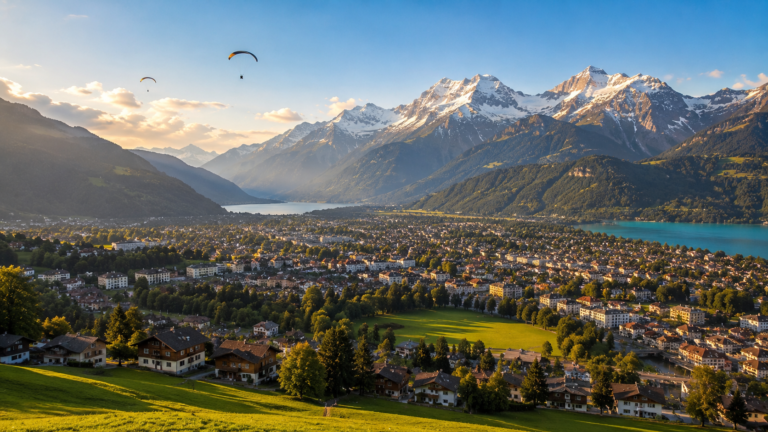
Located between Lake Thun and Lake Brienz, Interlaken is one of Switzerland’s most famous tourism destinations and a gateway to Alpine adventures.
Burgdorf
This charming town is known for its historic castle and strong connection to Swiss history.
Langenthal
An important economic and commercial center in the Oberaargau region.
Grindelwald
One of Switzerland’s most iconic mountain villages, offering breathtaking views of the Eiger and access to year-round outdoor activities.
Lauterbrunnen
Famous for its dramatic valley, waterfalls, and access to the Jungfrau Region.
Top Attractions in Bern
Bern Old Town (UNESCO World Heritage Site)
A remarkably preserved medieval city featuring arcades, fountains, historic buildings, and the iconic Zytglogge.
Jungfraujoch
Known as the “Top of Europe,” this world-famous destination offers spectacular glacier views and one of Europe’s highest railway stations.
Lauterbrunnen Valley
Home to 72 waterfalls and surrounded by towering cliffs, it is one of Switzerland’s most beautiful natural landscapes.
Grindelwald
A world-famous Alpine resort offering stunning mountain scenery and outdoor activities throughout the year.
Lake Thun
Known for its turquoise waters, lakeside castles, and scenic cruises.
Lake Brienz
Famous for its crystal-clear waters and picturesque villages.
Thun Castle
A historic medieval castle overlooking the city of Thun.
Ballenberg Open-Air Museum
An excellent place to explore traditional Swiss rural architecture and culture.
Aletsch Region
Part of the Swiss Alps Jungfrau-Aletsch UNESCO World Heritage area.
Trümmelbach Falls
A remarkable series of glacier-fed waterfalls inside a mountain.
Nature and Outdoor Activities
Bern is one of Switzerland’s premier outdoor destinations.
Hiking
Popular hiking regions include:
- Jungfrau Region
- Grindelwald
- Lauterbrunnen
- Kandersteg
- Gantrisch Nature Park
Cycling
The canton offers extensive cycling routes through valleys, lakeshores, and mountain landscapes.
Skiing and Snowboarding
Top ski destinations include:
- Adelboden-Lenk
- Grindelwald-Wengen
- Mürren-Schilthorn
- Gstaad
Water Activities
Visitors enjoy:
- Swimming
- Sailing
- Kayaking
- Paddleboarding
- Boat cruises
on the canton’s beautiful lakes.
Scenic Rail Journeys
Rail routes through the Bernese Oberland rank among the most scenic in the world.
Food and Local Specialties
Bern offers a rich culinary tradition.
Popular regional specialties include:
- Berner Platte (traditional meat platter)
- Rösti
- Emmental cheese
- Meringues from Meiringen
- Alpine cheeses
- Local sausages
- Swiss chocolates
The canton’s agricultural regions produce dairy products, cheeses, meats, fruits, and wines that are highly valued throughout Switzerland.
Mountain restaurants and traditional inns provide authentic Bernese dining experiences.
Economy and Industry
Bern has one of Switzerland’s most diversified economies.
Key sectors include:
- Government and public administration
- Tourism
- Agriculture
- Manufacturing
- Precision engineering
- Healthcare
- Education
- Renewable energy
Tourism plays a particularly important role, with millions of visitors drawn annually to the Bernese Alps and historic cities.
Agriculture remains significant in rural areas, particularly dairy farming and cheese production.
Transportation and Getting Around
Bern is exceptionally well connected.
Rail
The Swiss Federal Railways (SBB) provides frequent services linking Bern with Zurich, Geneva, Basel, Lucerne, and major Alpine destinations.
Roads
An extensive motorway network connects the canton to the rest of Switzerland.
Public Transport
Cities and towns offer reliable:
- Trams
- Buses
- Regional trains
- Mountain railways
Airports
Bern Airport serves regional flights, while Zurich Airport and Geneva Airport provide international access.
Visitors can easily explore the canton using Switzerland’s integrated public transportation system.
Best Time to Visit Bern
Spring
Wildflowers bloom, hiking trails reopen, and temperatures become pleasantly mild.
Summer
Ideal for hiking, lake activities, festivals, and mountain excursions.
Autumn
Colorful forests, harvest festivals, and fewer tourists create a peaceful atmosphere.
Winter
Perfect for skiing, snowboarding, winter hiking, and enjoying festive Christmas markets.
Travel Tips for Visitors
- Currency: Swiss Franc (CHF)
- Languages: German and French
- Public transport is highly efficient and often preferable to driving.
- Carry layers, as mountain weather can change quickly.
- Respect local customs and quiet residential areas.
- Reserve accommodations early during ski season and summer holidays.
- Many attractions offer discounts through regional travel passes.
Interesting Facts About Bern
- Bern joined the Swiss Confederation in 1353.
- Bern is Switzerland’s second-largest canton by area.
- The city of Bern has been Switzerland’s federal capital since 1848.
- The canton contains part of the UNESCO Swiss Alps Jungfrau-Aletsch region.
- The Finsteraarhorn is the highest mountain in the canton at 4,274 meters.
- Bern is officially bilingual, using German and French.
- The Aare River is the canton’s most important river.
- Lauterbrunnen Valley inspired writers, artists, and filmmakers worldwide.
- Bern attracts millions of visitors annually through its mountain tourism.
- The canton contains some of Switzerland’s most famous ski resorts.
Why Visit Bern?
Bern offers an unmatched combination of history, culture, nature, and adventure. Few places in Switzerland can match its diversity—from the medieval streets of the capital city to the snow-covered peaks of the Bernese Alps.
Whether you are seeking world-class hiking, scenic train journeys, historic landmarks, outdoor sports, or authentic Swiss traditions, Bern delivers memorable experiences throughout the year.
For first-time visitors to Switzerland, Bern provides many of the iconic landscapes and cultural highlights that define the country. For returning travelers, it offers endless opportunities for deeper exploration.
Conclusion
Bern is a canton of extraordinary contrasts. It combines vibrant cities with peaceful villages, historic heritage with modern innovation, and fertile lowlands with some of Europe’s most dramatic mountain scenery.
From UNESCO-listed landmarks and crystal-clear lakes to legendary Alpine destinations such as Grindelwald and Lauterbrunnen, Bern showcases the diversity that makes Switzerland one of the world’s most admired travel destinations.
Whether you come for a weekend city break, a mountain adventure, or a cultural journey through Swiss history, Bern leaves a lasting impression. Its landscapes, traditions, and welcoming atmosphere make it a destination that continues to inspire travelers from around the globe.
FAQ
1. What is Bern famous for?
Bern is famous for its UNESCO-listed Old Town, the Bernese Alps, Jungfraujoch, Lake Thun, Lake Brienz, and its role as Switzerland’s federal capital.
2. Is Bern worth visiting?
Yes. Bern offers a combination of history, culture, mountains, lakes, and outdoor activities that appeal to nearly every type of traveler.
3. What language is spoken in Bern?
German is the primary language, while French is spoken mainly in the Bernese Jura region.
4. What are the best places to visit in Bern?
Top destinations include Bern Old Town, Grindelwald, Lauterbrunnen, Interlaken, Jungfraujoch, Lake Thun, and Lake Brienz.
5. When is the best time to visit Bern?
Summer is ideal for hiking and sightseeing, while winter is best for skiing and snow sports.