Switzerland Retains Place Among World’s Leading Tourism Destinations in Global WEF Ranking
Switzerland has once again been recognized as one of the world’s strongest tourism destinations after earning a place among the top-performing countries in the World Economic Forum’s Travel and Tourism Development Index, a widely followed benchmark that measures how effectively nations support and develop their tourism sectors.
The latest assessment places Switzerland among the world’s ten highest-ranked tourism economies, reinforcing the country’s long-standing reputation for high-quality infrastructure, visitor services, natural attractions, and travel accessibility. The ranking is part of the World Economic Forum’s Travel & Tourism Development Index (TTDI), which evaluates the conditions that enable sustainable and resilient tourism growth across economies worldwide.
According to the World Economic Forum’s 2024 index, Switzerland ranked 10th globally among 119 economies evaluated. The country scored 4.81 points, placing it alongside several of the world’s most established tourism markets. The top ten included the United States, Spain, Japan, France, Australia, Germany, the United Kingdom, China, Italy, and Switzerland.
The ranking reflects more than visitor numbers alone. The TTDI measures a broad range of factors including transportation networks, tourism infrastructure, business conditions, sustainability, safety, cultural assets, natural resources, and policies that support travel and tourism development. The framework is designed to assess how well countries are positioned for long-term tourism success rather than short-term visitor performance.
For Switzerland, the result highlights several competitive advantages that have supported its tourism industry for decades.
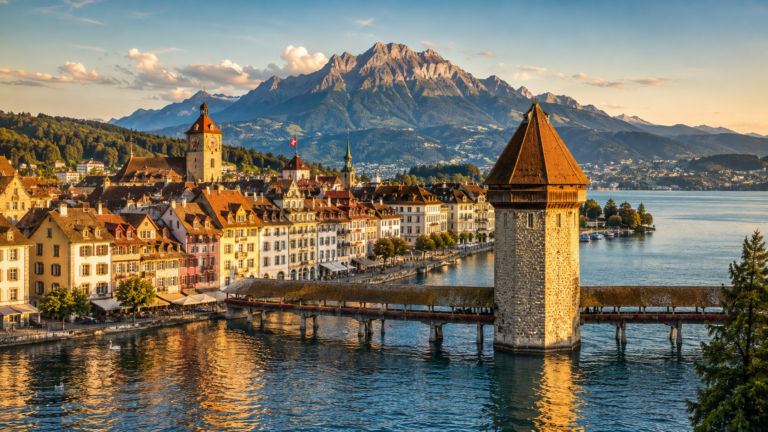
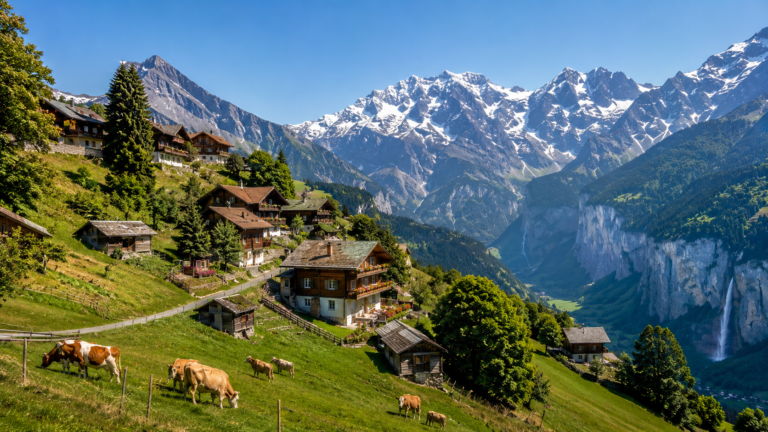
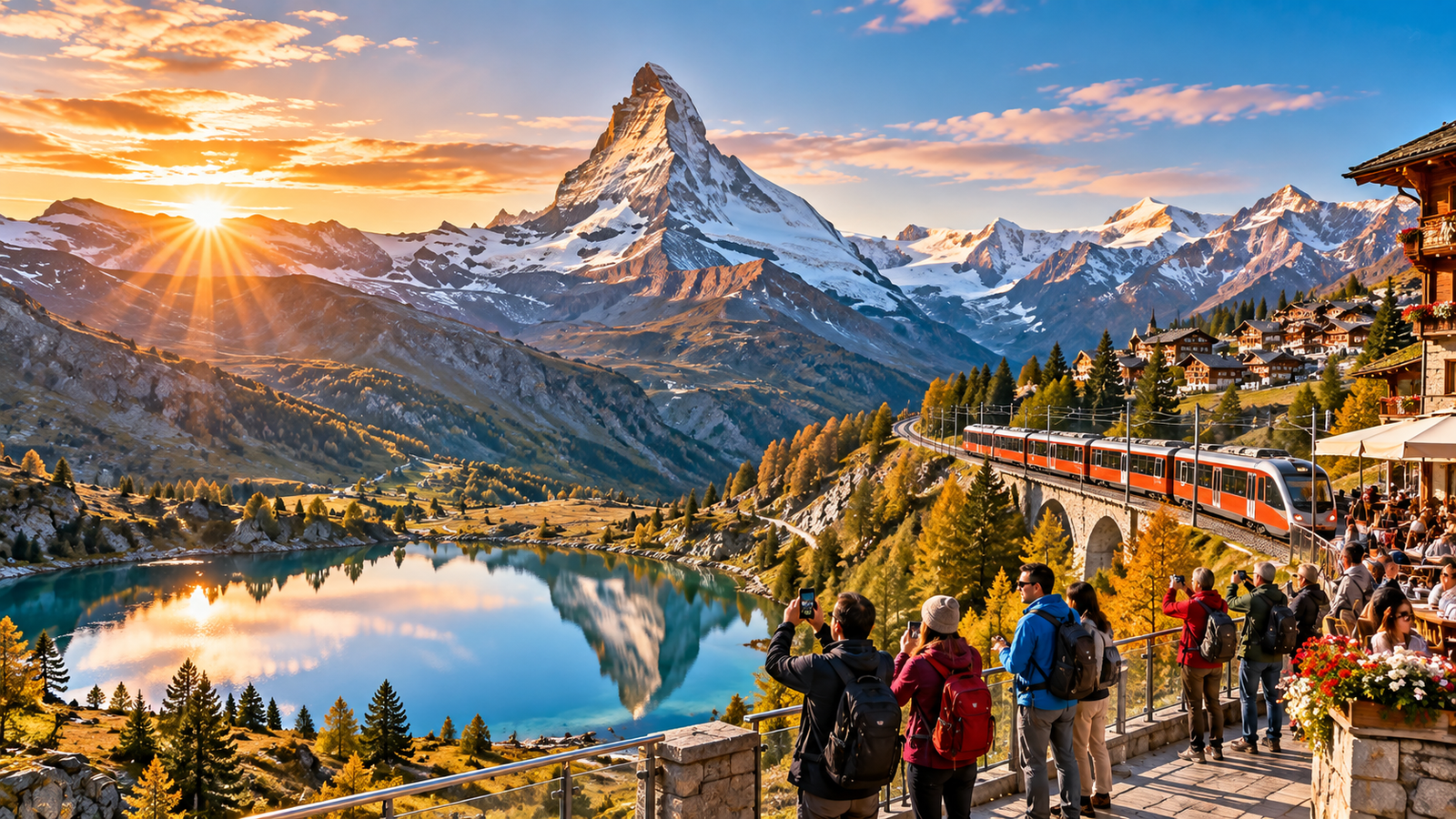
The country is internationally recognized for its extensive rail system, efficient public transportation network, high environmental standards, and strong tourism services. Destinations such as the Swiss Alps, Lake Geneva, Lucerne, Interlaken, Zermatt, and the Jungfrau region continue to attract travelers seeking both natural landscapes and premium visitor experiences.
Swiss tourism also benefits from a combination of outdoor recreation, cultural heritage, urban attractions, and year-round travel opportunities. Unlike destinations heavily dependent on a single season, Switzerland attracts visitors during both winter and summer months through skiing, hiking, lake tourism, business travel, and cultural events.
The World Economic Forum notes that high-ranking tourism economies generally share characteristics such as favorable business environments, open travel policies, advanced infrastructure, and strong cultural and natural attractions. Switzerland performs well across many of these categories, helping it remain competitive despite growing international competition.
The ranking arrives as the global tourism industry continues its recovery from the disruptions caused by the COVID-19 pandemic.
According to the World Economic Forum, international travel demand has largely returned to pre-pandemic levels in many regions. However, the sector continues to face challenges including inflation, labor shortages, rising operational costs, and pressure on transportation networks. Tourism destinations worldwide are also confronting questions about sustainability and the environmental impact of growing visitor numbers.
Switzerland’s emphasis on sustainable tourism has become increasingly important in this environment. Federal, cantonal, and tourism organizations have invested heavily in promoting responsible travel, public transport access, and environmental protection. These efforts align with broader trends in the global travel market, where visitors are placing greater value on sustainability and high-quality experiences.
The country’s tourism industry plays a significant role in the national economy. Tourism supports businesses ranging from hotels and restaurants to transportation providers, retailers, mountain railways, and cultural institutions. Popular destinations across the country continue to attract millions of domestic and international visitors each year, contributing to employment and regional economic activity.
Competition among global tourism destinations remains intense. While Switzerland maintained a position in the top ten, several countries have continued investing heavily in tourism infrastructure, digital services, and destination development. Emerging tourism markets have also improved their rankings in recent years as governments seek to capitalize on growing international travel demand.
Despite these competitive pressures, Switzerland’s ability to consistently rank among the world’s leading tourism economies demonstrates the resilience of its tourism model. The country’s combination of natural beauty, reliable infrastructure, political stability, and service quality continues to provide a strong foundation for the sector.
Industry observers note that maintaining a top-tier position will require ongoing investment in infrastructure, sustainability initiatives, and visitor experiences. Changing traveler expectations, technological developments, and environmental considerations are expected to shape the future of global tourism over the coming years.
For now, the latest World Economic Forum ranking offers another indication that Switzerland remains one of the world’s most attractive and well-prepared destinations for travelers. While tourism markets continue to evolve, the country’s reputation for quality, accessibility, and scenic appeal remains a key strength in an increasingly competitive global industry.
As international travel continues to expand, Switzerland’s position among the world’s leading tourism economies provides both recognition of past achievements and a benchmark for future development. The latest ranking suggests that the country remains well positioned to benefit from the continued growth of global tourism while balancing economic opportunities with sustainability goals.